التجاوز إلى المحتوى
Iran suppresses protesting inhabitants in Gezaniya villages
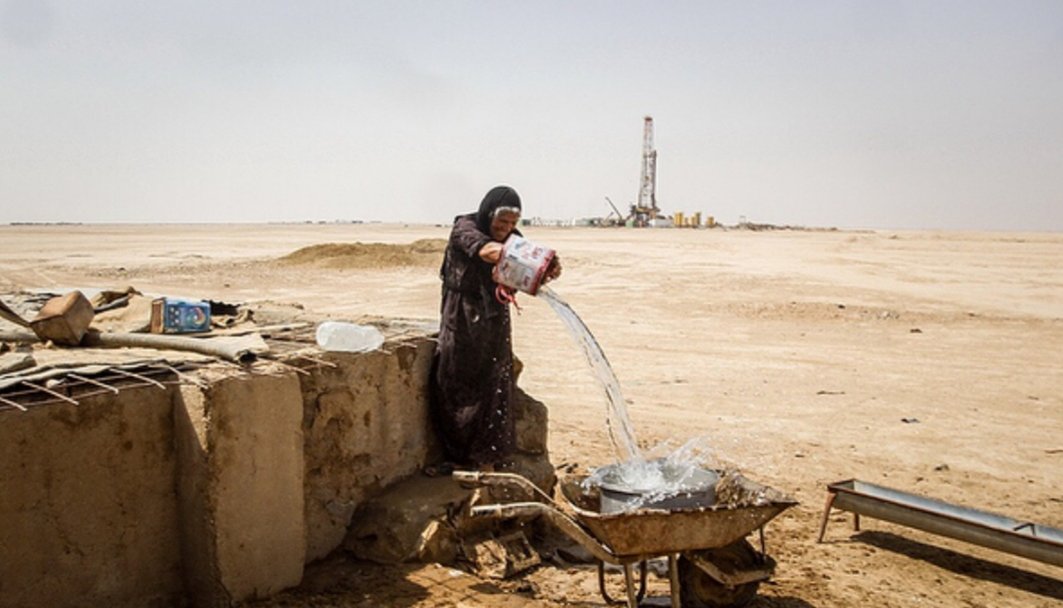
PADMAZ- A day preceding Eid Alfetr, end of Ramadan holiday, inhabitants of Gazaniya villages protested against water ban and closed the highway passing beside their village. Iran’s security forces attacked the protestors by guns and used machine weapon against the inhabitants.
Inhabitants who were closing the highway in protest to water ban during almost a year, have said that they have the Iranian authorities in Ahwaz many times without any result.
While the inhabitants were gathering, the security forces attacked them using machine weapons and injured some of the protestors.
Gazaniya villages which are sounded by oil wells suffering from no clean drinking water, air pollution due to the smoke of oil wells, poverty and high rate of unemployment.
On the other hand Iranian authorities in Ahwaz, accuse the protestors to be enemies of the regime.
According to studies done by PADMAZ, there are hundreds of villages in Ahwaz province which are suffering from similar problems as Gazaniya. Also, there are tens of urban areas in Ahwaz, Abbadan and Maashoor where more than one milion Ahwazis live in a very harsh conditions.
Ahwazi people demand the authorities to spend some of the oil income for Ahwazi people who live on sea of oil but in harsh living conditions. Also to stop the systematic ethnic discrimination policies such as avoiding any employment of Arabs in Ahwaz and imposing poverty on Ahwazi people.
 الهيئة التنسيقية للتنظيمات الأحوازية تعقد مؤتمرها في لندن بمناسبة الذكرى الـ101 لاحتلال الأحواز وتعلن تغيير اسمها إلى “المجلس التنسيقي”
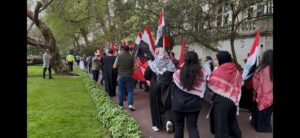
 تقرير حول المظاهرة الأحوازية المركزية في لندن بمناسبة الذكرى الـ101 لاحتلال الأحواز
 بيان التيار الوطني العربي الديمقراطي في الأحواز بمناسبة الذكرى الحادية والعشرين لانتفاضة 15 نيسان 2005
 بيان صادر عن الهيئة التنسيقية للتنظيمات الأحوازية بمناسبة الذكرى السنوية لانتفاضة 15 نيسان 2005