


Ahwaz Choking on Smoke: Families Struggle Through a Manufactured Crisis

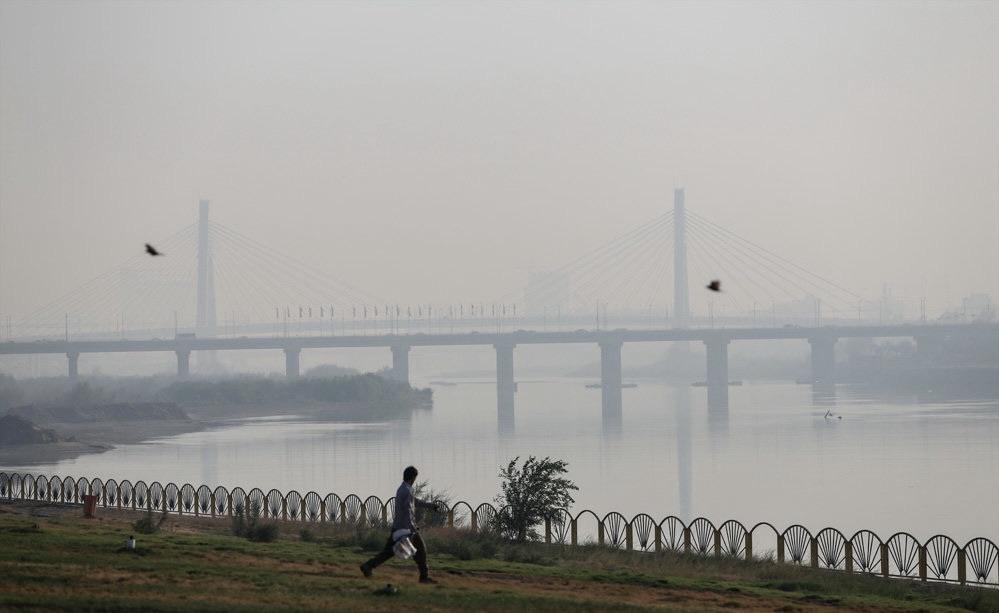
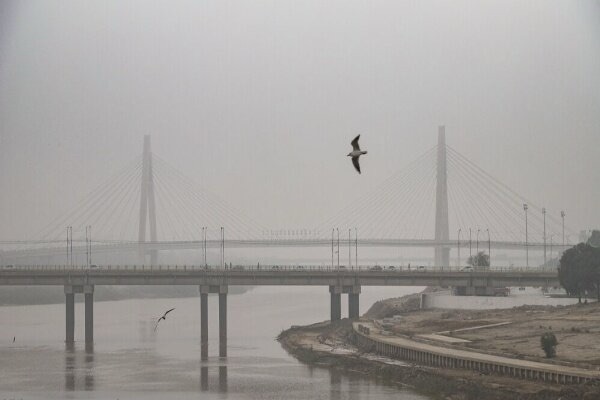
For months, the people of Ahwaz have woken up to the same scene: a sky stained in gray, a smell of burning earth drifting through open windows, and children coughing before they even reach school. This is not a natural disaster. It is the result of deliberate burning in the Howaizeh marshlands, combined with heavy industrial pollution that has become a fixture of daily life in the region.
During 2025 over 1624 Ahwazi people died due to air pollution in Ahwaz, according to officials.
Residents describe the past weeks as some of the hardest in recent memory. The fires in the marshes send thick smoke across the city, settling over neighborhoods already burdened by aging factories, refineries, and dust storms. The result is a level of pollution that pushes people past their physical limits.
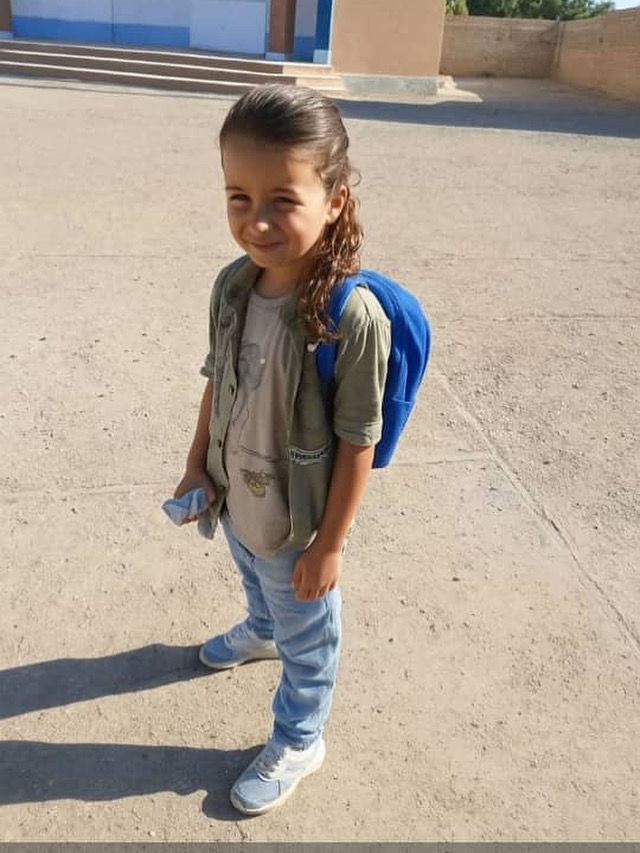
In the southern districts, families have been keeping their children indoors for days at a time. Mothers say they feel cornered. If they keep kids inside, they lose school days. If they let them go out, they deal with wheezing, fever, and hospital visits. The elderly carry inhalers as if they were basic necessities like bread or water.
Local clinics report sharp increases in respiratory cases. Asthma attacks, bronchitis flare-ups, and sudden shortness of breath have become routine. Doctors describe an atmosphere of exhaustion. People are not only sick. They are tired of being sick.
Workers who depend on daily wages face even harsher choices. Missing a day because of breathing problems means losing income they cannot afford to lose. Some construction workers say they push through chest pain and dizziness because they have no alternative. Their suffering is quiet, and usually goes unnoticed outside their immediate families.
The psychological toll is heavy. Many residents say the smoke fills them with dread, because they know it signals another day of discomfort and uncertainty. Parents worry about long-term harm to their children. Young people describe feeling trapped in a place where the environment itself feels hostile.
There is no mystery behind the cause. Satellite images and local footage have shown repeated large-scale fires in the Howaizeh marshlands. These burnings, combined with unchecked industrial emissions, have turned parts of Ahwaz into a health emergency every few days. People feel abandoned, because they see no meaningful effort to protect them.
In the middle of this crisis, one thing stands out clearly. The human suffering is not a natural outcome of geography or climate alone. It is the product of choices, policies, and neglect. Residents feel they have been left to breathe whatever the wind carries in, whether it is dust from desert storms or smoke from marshlands set on fire.
Ahwaz continues to push through each smoky morning, but the city’s resilience is stretched thin. Until the causes are addressed, families will keep living under a sky that makes them sick, waiting for relief that never seems to arrive.