

Iranian Forces Kill Ahwazi Youth Hussein Jamal Al-Bughbeish in Mashour and Impose Secret Burial
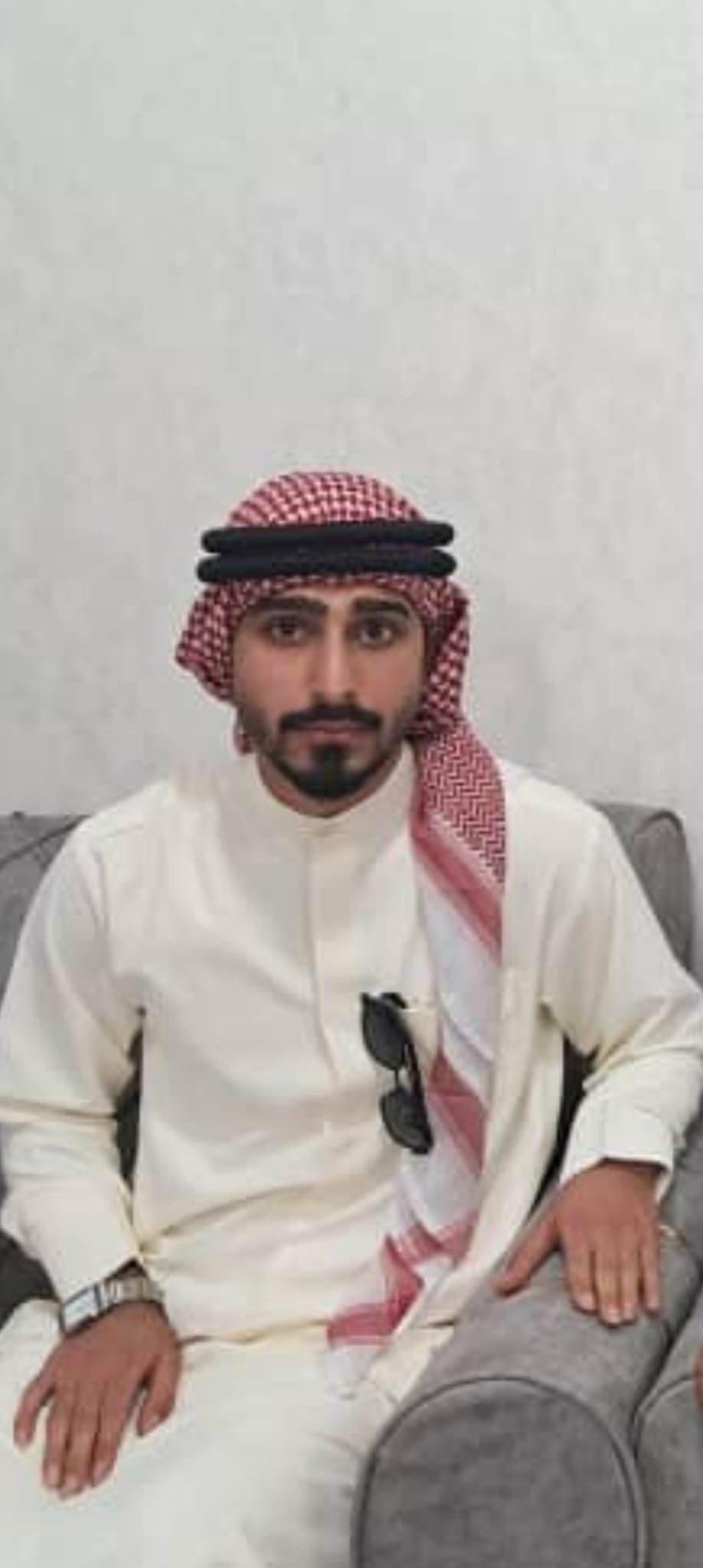
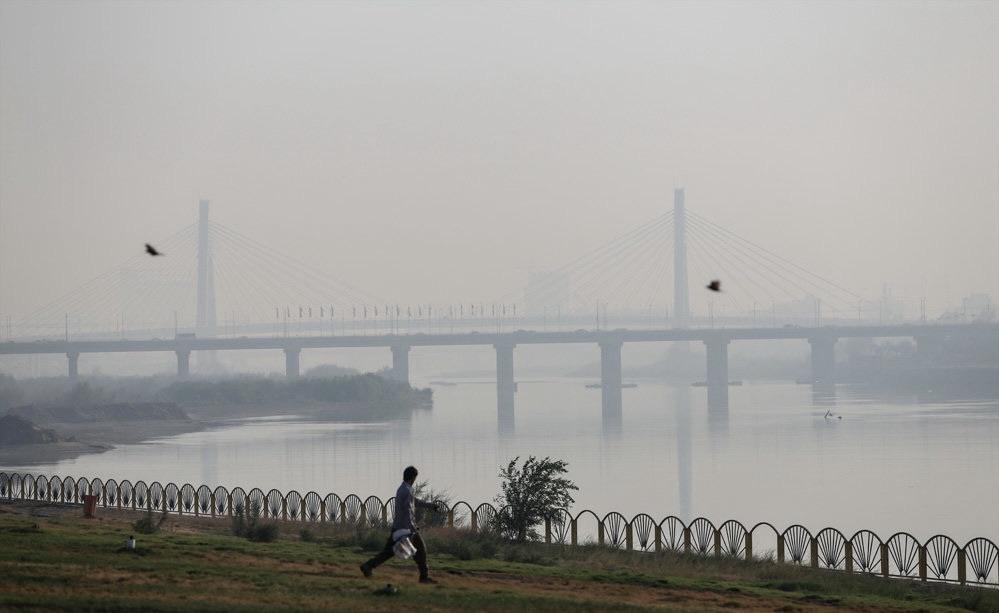
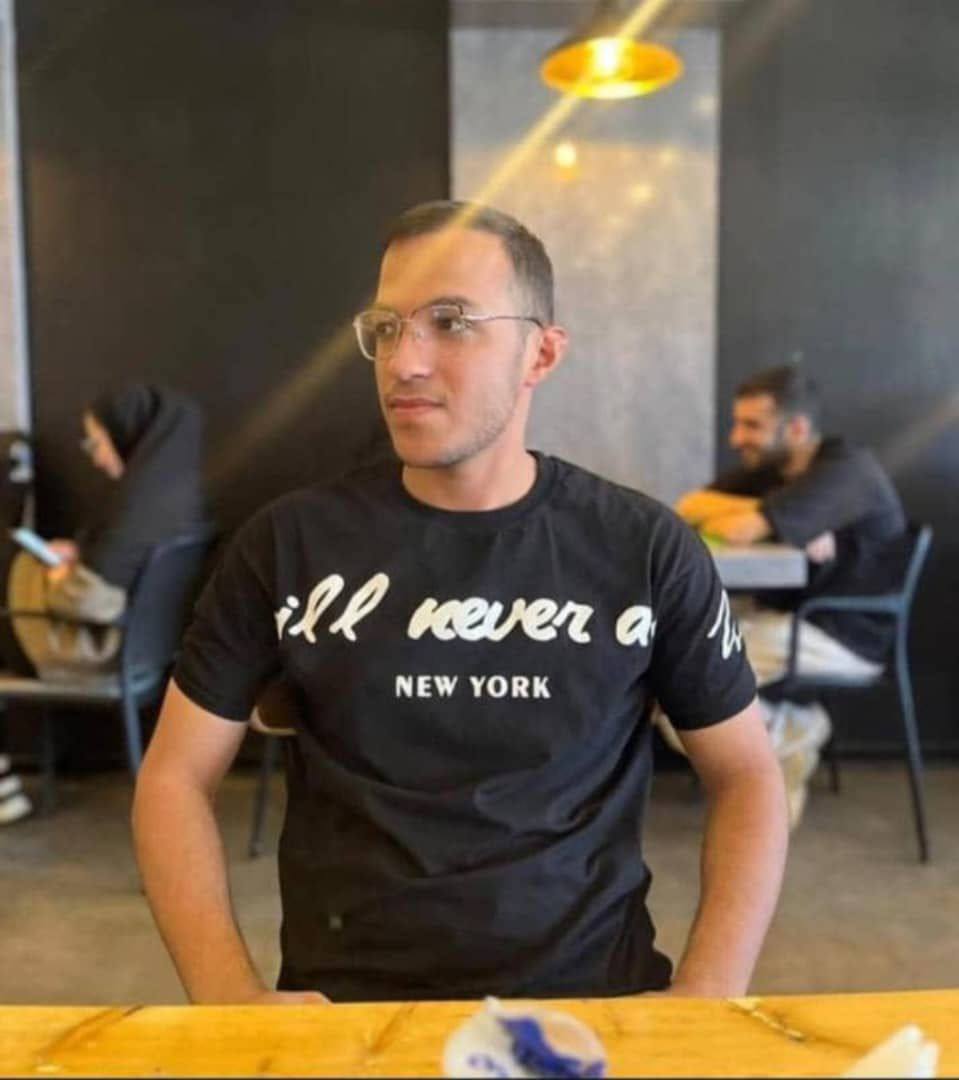
Ahwazi youth Hussein Jamal Al-Bughbeish was killed by Iranian security forces on 9 January 2026 in the Ahwazi city of Mashour, during widespread popular protests that erupted across numerous cities and regions of Iran amid an ongoing and violent crackdown on peaceful demonstrators.

According to reliable sources, Hussein’s family remained unaware of his fate for more than a week following his killing. During this period, they endured severe distress and uncertainty while repeatedly contacting official and security authorities in an attempt to obtain information, only to be met with silence and obstruction. After sustained efforts and pressure, it was eventually confirmed that Iranian authorities had withheld his body after killing him.
Sources further reported that the authorities agreed to hand over Hussein’s body to his family only after intense pressure and under strict, repressive conditions. These conditions included forcing the family to sign written pledges prohibiting them from holding any funeral gathering, mourning ceremony, or public commemoration.
Security forces also imposed a restriction limiting the number of people allowed to attend the burial to no more than ten. Consequently, Hussein Jamal Al-Bughbeish was buried in complete silence before sunrise, with only a small number of close family members present, under heavy security surveillance.

This killing and the enforced secret burial form part of a systematic policy pursued by Iranian authorities aimed at intimidating Ahwazi families and preventing victims of state violence from becoming symbols of popular resistance. The practice of secret burials and the prohibition of mourning ceremonies represent a blatant violation of fundamental human, civil, and religious rights.
Ahwazi activists and human rights defenders are calling on international human rights organizations to initiate an independent and impartial investigation into the killing of Hussein Jamal Al-Bughbeish, to hold those responsible accountable, and to put an end to the entrenched culture of impunity that continues to enable repression and violence in Ahwaz and across Iran.