
The Silence That Kills: Media Blackout on Ahwazi Executions

By: Mehdi Hashemi
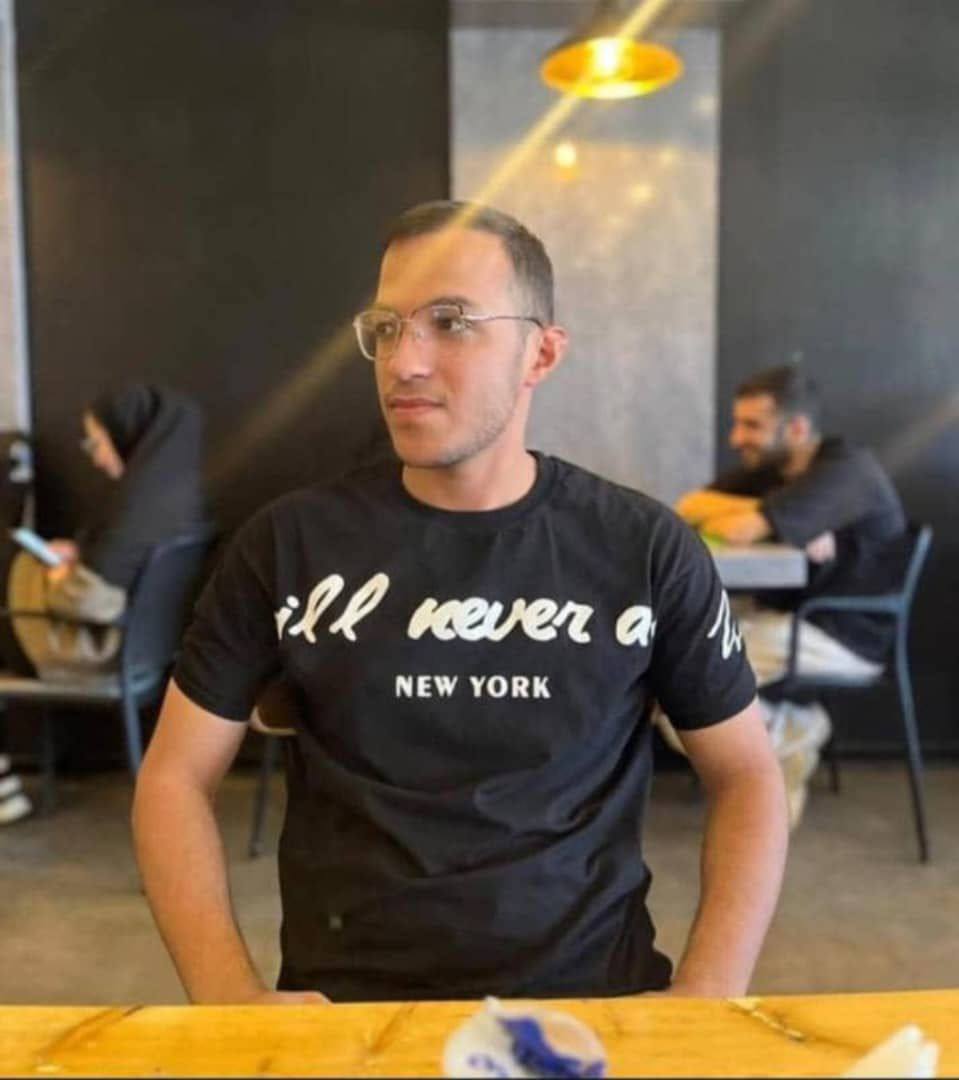
In the early hours of Saturday, October 4, 2025, six Ahwazi Arab political activists — Ali Mojaddam, Moein Khenfari, Salem Mousawi, Mohammadreza Moghadam, Adnan Alboushoukeh, and Habib Drees — were secretly executed en masse by the Islamic Republic of Iran. As with many previous human rights violations in Ahwaz, this mass execution was met with a systematic media blackout from Persian-language outlets abroad.
Despite the rare and deeply significant nature — both humanitarian and political — of executing six people at once, the coverage by Persian-language media was disproportionately minimal and unjust.
Ahwazi activists have long criticized this silence, asking: why do media platforms, funded by taxpayers and supported by Western — and at times Arab — governments, continue to ignore widespread human rights violations in Ahwaz? Why is it that when a Persian activist is arrested in Tehran or elsewhere in central Iran, the news is echoed for days or even weeks, but when several Ahwazi Arab activists face death or are executed, it barely makes the headlines?
Meanwhile, the behavior of the self-proclaimed “democratic” or “republican” opposition groups also appears riddled with contradictions. Segments of the right-wing opposition — including monarchists and ethnonationalist, Arabophobic factions — openly repeat the regime’s narrative. They re-broadcast the government’s accusations and even torture-induced confessions as if they were credible.
Among those who brand themselves as “democrats” or “republicans,” a similar attitude prevails, though more subtle and veiled. They insist all Iranian citizens are equal, yet carefully avoid any direct mention of “Arabs” or “Ahwaz.” When they do refer to incidents, they intentionally avoid naming ethnic or national identity, thus stripping the issue of its fundamental ethnic-political dimension. The result is an incomplete narrative — decontextualized, anonymized, and ultimately stripped of its power to gain meaningful international attention.
This silence — whether in the form of overt media neglect, reproduction of regime propaganda, or centrist opposition’s refusal to name the problem — is structural and deliberate. Many Ahwazi activists argue that both the regime and large parts of the Persian-centric opposition share a common stance on the issue of non-Persian ethnic nations: on the one hand, physical repression and the prohibition of political organization for ethnic groups; on the other, an information blackout that prevents these issues from reaching global platforms.
This combination of physical violence and media silence allows the Iranian regime to suppress national and ethnic struggles in Ahwaz before they can gain momentum.
The consequences of this silence are dire: by remaining quiet, both the media and the opposition effectively enable the regime to continue its secretive, mass executions and suppressions unchecked. Since the uprisings and events of 2005, Iranian security forces have repeatedly responded to Arab protests with live ammunition and sweeping crackdowns — resulting in the deaths of children, youth, and adults alike — while media silence helps perpetuate this violence.
In addition, Ahwazi activists are calling on Western governments and the United Nations to reassess the funding mechanisms behind Persian-language media outlets. They stress that such funding should come with clear conditions — including a mandate to provide comprehensive and unbiased coverage of human rights violations not only in central Iran, but also in marginalized ethnic regions such as Ahwaz, Balochistan, and others.
Activists also point to another structural obstacle: even within UN-affiliated institutions and some international organizations, Iranian nationals with Persian-centric views are systematically blocking Ahwazi activists from establishing connections and delivering reports on human rights abuses. This influence extends into international media as well. Major Western outlets like The New York Times, The Washington Post, and various French-language media employ Persian staff who often prevent Ahwazi-related reports from being published. Despite submitting well-documented, evidence-based reports, Ahwazi writers and activists have repeatedly seen their work buried by Iranian gatekeepers in these institutions.
As such, the media blackout is not limited to Persian-language platforms — it is being reproduced within segments of the international media as well. This conscious blackout ensures that the ethnic-national question of Ahwaz remains invisible on the world stage, granting the Islamic Republic of Iran free rein to carry out executions, suppress dissent, destroy the environment, dry out rivers, forcibly displace communities, and wage violence against Arab populations.
Ahwazi activists emphasize that this silence is neither accidental nor harmless. It is a deliberate and complicit silence that enables the ongoing repression of the Arab people. By remaining silent, media outlets and opposition groups devalue Arab lives and assist the regime in its mission to crush the Arab national and ethnic movement in Ahwaz before it becomes a global cause.